How to Choose a Cosmetic Clinic in Australia
Choosing a cosmetic clinic is an important decision. Whether you want to improve skin texture, address pigmentation, soften visible signs of ageing or explore non-surgical body contouring, the clinic you choose can influence every stage of your experience - from the initial consultation to treatment planning, recovery and ongoing care.
However, comparing cosmetic clinics is not always straightforward. Two clinics may promote treatments for the same concern while using different technologies, protocols and practitioners. A popular treatment may also be unsuitable for your skin type, health history, expectations or preferred recovery time.
The best approach is therefore not to begin with a treatment trend or a device name. Start by identifying your concern, learning which technologies may be relevant and arranging a consultation with a suitably qualified professional.
This guide explains what to look for in a cosmetic clinic in Australia, which questions to ask and how FABshaping can help you explore treatments and clinics with greater confidence.
What Is a Cosmetic Clinic?
A cosmetic clinic is a professional practice that offers treatments intended to improve the appearance of the skin, face, hair or body. Depending on its team, facilities and scope of practice, a clinic may provide non-invasive, minimally invasive or surgical procedures.
Some cosmetic clinics focus mainly on skin health and treatments such as facials, peels, light therapy or microneedling. Others offer laser procedures, radiofrequency treatments, ultrasound-based skin tightening, body contouring or cosmetic medical services.
The term “cosmetic clinic” can cover a broad range of practices, so it should not be treated as a guarantee that every clinic offers the same expertise. Before booking, check who will perform the treatment, what technology will be used and whether the service is appropriate for your individual needs.
Cosmetic Clinic, Skin Clinic and Aesthetic Clinic: What Is the Difference?
The names cosmetic clinic, skin clinic and aesthetic clinic are often used interchangeably, but the services available can vary significantly.
A skin clinic generally focuses on skin health and concerns such as acne, uneven texture, pigmentation, redness, dryness or signs of sun damage. Treatments may include professional facials, chemical peels, microneedling, laser treatments and light-based procedures.
An aesthetic clinic may offer a wider selection of appearance-focused services for the face and body. These can include skin rejuvenation, non-surgical lifting, body contouring and other energy-based treatments.
A cosmetic clinic may provide skin and aesthetic treatments as well as cosmetic medical procedures. In some cases, it may be led by a doctor or employ registered healthcare professionals. Other clinics may operate primarily with dermal therapists, laser practitioners, beauty therapists or other trained professionals.
Rather than relying only on the clinic’s name, review its actual services, team credentials and treatment technology.
Why Choosing the Right Cosmetic Clinic Matters
Cosmetic treatments are highly individual. A procedure that works well for one person may not be the most suitable option for someone else, even if both people have a similar concern.
Skin type, pigmentation, medical history, medications, previous procedures and lifestyle can all affect treatment suitability. Your desired outcome also matters. Some people want gradual improvements with minimal interruption to their routine, while others may accept more downtime in exchange for a more intensive treatment approach.
A reliable cosmetic clinic should consider these factors before recommending a procedure. It should also explain realistic outcomes, possible side effects, preparation requirements and aftercare.
Choosing carefully can help you avoid unsuitable treatments, unrealistic expectations and decisions based solely on discounts or social media trends.
How to Choose a Cosmetic Clinic
Finding the right clinic requires more than searching for the nearest provider. You need to evaluate the people, technology and treatment process together.
1. Define Your Main Concern
Before comparing clinics, identify what you would most like to improve. Try to be specific.
For example, “I want better skin” is a broad goal. You may actually be concerned about acne scarring, enlarged pores, dullness, pigmentation, redness, fine lines or reduced firmness. Each concern may require a different assessment and treatment plan.
Common areas people explore include:
- Skin tone, texture and hydration
- Fine lines and visible signs of ageing
- Acne and acne scarring
- Pigmentation and sun-related concerns
- Facial or jawline definition
- Eye and mouth areas
- Neck rejuvenation
- Unwanted hair
- Hair thinning
- Localised body concerns
- Intimate wellness
FABshaping allows you to search cosmetic clinics and treatments by concern, helping you narrow the options before contacting a provider.
2. Check the Practitioner’s Qualifications
The right practitioner depends on the procedure being considered. Different treatments may be performed by cosmetic doctors, registered nurses, dermatologists, plastic surgeons, dermal therapists, laser practitioners or beauty therapists.
Do not assume that every person working at a cosmetic clinic is qualified to perform every treatment. Ask who will conduct your consultation and who will perform the procedure.
Useful questions include:
- What qualifications and professional registrations do you hold?
- How much experience do you have with this treatment?
- How often do you perform it?
- Have you treated people with similar skin types or concerns?
- Who will manage complications or unexpected reactions?
- What follow-up care is available?
A professional clinic should answer these questions clearly and without making you feel pressured.
3. Understand the Technology Behind the Treatment
Two services advertised under a similar name may use different devices or treatment methods. This can affect the treatment experience, expected downtime, suitable candidates and potential results.
Modern aesthetic clinics may use technologies such as laser, intense pulsed light, radiofrequency, ultrasound, microneedling or muscle stimulation. Some platforms combine more than one form of energy.
Learning about the technology can help you ask better questions during your consultation. It also reduces the risk of selecting a procedure simply because it is popular online.
FABshaping’s aesthetic device library provides information about technologies used by clinics across Australia. Featured options include devices designed for skin resurfacing, hydration, tightening, rejuvenation, body contouring and other aesthetic concerns.
However, recognising a device name does not determine whether a treatment is suitable for you. The practitioner’s assessment, device settings, experience and treatment protocol are equally important.
4. Look for a Personalised Consultation
A good consultation should involve more than choosing a service from a menu. The practitioner should assess your concern, discuss your health history and explain the available options.
You may be asked about medications, allergies, previous cosmetic procedures, pregnancy or breastfeeding, sun exposure, active skin conditions and your ability to follow aftercare instructions. These questions help the practitioner assess suitability and potential risk.
The consultation should also give you the opportunity to explain your priorities. If you need minimal downtime, have an upcoming event or prefer gradual changes, mention this before agreeing to a plan.
Be cautious if a clinic recommends treatment without adequately assessing you or promises a specific result before understanding your circumstances.
5. Ask About Expected Results
Cosmetic treatment results vary. They may depend on the technology, treatment intensity, number of sessions, practitioner technique and your individual response.
Ask the clinic when improvements may become visible and whether they are expected to develop gradually. Some treatments are designed to provide temporary cosmetic benefits, while others aim to encourage changes that become more noticeable over time.
You should also ask:
- How many sessions may be recommended?
- How long might the results last?
- Will maintenance treatments be needed?
- What factors could affect the outcome?
- What result would be realistic for my concern?
Before-and-after images can be useful, but they should be viewed carefully. Lighting, positioning, makeup and camera settings can influence how results appear. Where possible, ask to see examples involving a similar concern and skin type.
6. Consider Downtime and Aftercare
A treatment described as non-surgical does not necessarily mean that it has no recovery period. Temporary redness, swelling, sensitivity, bruising, dryness or peeling may occur after some procedures.
Ask what you might experience immediately after treatment and during the following days. You should know whether you need to avoid exercise, makeup, active skincare ingredients, heat or direct sun exposure.
Your schedule may influence which option is most appropriate. A lower-intensity treatment with minimal downtime may suit someone who needs to return to work quickly. Another person may prefer a more intensive treatment and plan recovery around time off.
FABshaping’s treatment search includes options for filtering by expected downtime, which can make the initial comparison process more practical.
7. Review Hygiene, Equipment and Safety Processes
A cosmetic clinic should appear clean, organised and professionally managed. Treatment rooms and equipment should be maintained appropriately, and staff should follow relevant hygiene and infection-control procedures.
Ask how the device is maintained and whether it is appropriate for your treatment. You can also enquire about eye protection, numbing products, patch testing, skin preparation and the clinic’s response process if an adverse reaction occurs.
Safety should never feel like an inconvenience. A clinic that takes assessment, consent and aftercare seriously is more reassuring than one focused mainly on securing an immediate booking.
8. Compare Complete Treatment Costs
Price matters, but the lowest advertised price may not represent the total cost. A treatment plan may involve several sessions, consultation fees, skincare preparation, post-treatment products or maintenance appointments.
Before proceeding, ask for a clear breakdown of:
- Consultation fees
- Cost per session
- Recommended number of sessions
- Package conditions
- Additional products or aftercare costs
- Cancellation or rescheduling terms
- Likely maintenance expenses
Avoid choosing a treatment only because it is discounted. Suitability, practitioner expertise and appropriate technology should carry more weight than a short-term promotion.
9. Read Reviews With a Critical Eye
Reviews can provide useful insight into communication, punctuality, cleanliness and customer service. However, they should be considered alongside professional credentials and consultation quality.
Look for patterns rather than relying on one highly positive or negative comment. Detailed reviews are often more informative than short statements because they may describe the consultation, treatment experience and follow-up support.
Remember that another person’s result does not guarantee the same result for you. Reviews can help you evaluate the clinic experience, but they cannot replace an individual assessment.
10. Avoid Pressure and Unrealistic Promises
A trustworthy clinic should give you time to consider your options. You should not feel pressured to book immediately, purchase a large package or agree to additional treatments that were not part of your original concern.
Be cautious of claims such as “guaranteed results”, “completely risk-free” or “the best treatment for everyone”. Cosmetic procedures can involve limitations and possible side effects, and outcomes differ between individuals.
Clear, balanced communication is a stronger sign of professionalism than dramatic promises.
Popular Treatments Offered by Cosmetic Clinics
The services offered by cosmetic clinics vary, but several categories are commonly available across Australia.
Skin Rejuvenation
Skin rejuvenation treatments may be designed to improve hydration, radiance, texture or the appearance of early ageing. Depending on the clinic, options may include professional facials, hydradermabrasion, light therapy, laser treatments, radiofrequency or ultrasound-based technologies.
Laser and Light-Based Treatments
Laser and intense pulsed light treatments can be used for different cosmetic concerns, including uneven pigmentation, redness, unwanted hair, texture and visible signs of sun damage.
Not every laser or light-based procedure is appropriate for every skin type. Device selection, treatment settings and practitioner experience are particularly important.
Microneedling and Radiofrequency Microneedling
Traditional microneedling creates controlled microchannels in the skin. Radiofrequency microneedling combines needling with radiofrequency energy.
These procedures may be considered for concerns involving texture, scarring or firmness. The recommended approach and downtime can vary, making a professional consultation essential.
Non-Surgical Skin Tightening
Some clinics offer radiofrequency or ultrasound-based treatments intended to support a firmer appearance. Results are generally different from those of surgery, so realistic expectations are important.
Body Contouring
Non-surgical body treatments may use cooling, heating, radiofrequency, electromagnetic stimulation or other technologies. They are generally designed for targeted aesthetic goals and should not be presented as substitutes for medical weight-loss care.
Hair and Scalp Treatments
Depending on the cause of the concern and the clinic’s expertise, available options may include laser hair reduction, scalp treatments or hair restoration services. Hair loss can have medical causes, so appropriate assessment or referral may be necessary.
Questions to Ask During a Cosmetic Clinic Consultation
Preparing questions in advance can help you make a more informed decision. Consider asking:
- What treatment options are suitable for my concern?
- Why are you recommending this treatment?
- Who will perform the procedure?
- What device or product will be used?
- What results are realistic?
- How many sessions might I need?
- What are the possible side effects and risks?
- How much downtime should I expect?
- What preparation and aftercare are required?
- What is the total expected cost?
- What happens if I experience a problem after treatment?
- Are there alternatives that may suit me better?
You do not need to book on the day of your consultation. Take time to review the information and compare your options.
How FABshaping Helps You Find a Cosmetic Clinic
FABshaping is designed to make the search for aesthetic treatments and clinics more transparent and convenient.
Instead of beginning with a long list of procedures, you can start with the area or concern you want to address. You can then learn about relevant aesthetic technologies, explore treatment options and find clinics or providers in your local area.
The platform allows you to search across concerns involving the skin, face, jawline, eye area, mouth area, neck, body, hair and intimate area. You can also explore aesthetic devices and compare options based on factors such as technology and expected downtime.
Once you have identified a suitable provider, you can book a consultation through FABshaping. Treatments are performed by the clinic and its practitioners—not by FABshaping—and every treatment requires consultation with a qualified healthcare professional to determine individual suitability.
Frequently Asked Questions About Cosmetic Clinics
How do I find a good cosmetic clinic near me?
Start by searching for clinics that treat your specific concern rather than choosing only by distance. Compare practitioner qualifications, available technologies, consultation quality, treatment costs and aftercare. FABshaping can help you find cosmetic clinics and treatment providers across Australia.
Should I choose a clinic or a specific treatment first?
Begin with your concern and desired outcome. A qualified practitioner can then assess whether a particular treatment or technology is appropriate. Selecting a trending treatment before receiving professional advice may lead to an unsuitable choice.
Are non-surgical cosmetic treatments risk-free?
No cosmetic procedure should be considered entirely risk-free. Possible effects depend on the treatment, device, settings and individual factors. Ask the practitioner to explain potential side effects, contraindications and recovery before providing consent.
How many cosmetic treatments will I need?
The number of sessions varies according to the concern, technology, treatment intensity and your response. Some treatments may involve a single session, while others are delivered as a course with maintenance appointments.
What should I do before booking a treatment?
Research the clinic and technology, check the practitioner’s qualifications and arrange a consultation. Provide accurate information about your health, medications and previous procedures so that suitability can be assessed properly.
Find a Cosmetic Clinic With Confidence
Choosing a cosmetic clinic should be a considered process, not a rushed reaction to a trend, promotion or before-and-after image.
Start with a clear understanding of your concern. Compare clinics based on practitioner qualifications, technology, treatment planning, safety, recovery and overall cost. Most importantly, arrange a professional consultation and make sure you understand both the potential benefits and limitations before proceeding.
FABshaping brings clinic discovery, aesthetic technology education and consultation booking together in one place. Explore treatments, compare providers and find a trusted cosmetic clinic near you to begin a more informed aesthetic journey.
All cosmetic treatments require an individual consultation with a suitably qualified healthcare professional to determine suitability. Treatment experiences and results vary between individuals.
Related reading
Devices & Technology
How FABshaping.com Is Connecting Consumers, Clinics And Technology
FABshaping.com lets consumers start from their concern rather than a device name, then shows them the clinics that offer the treatment. For practices, that is visibility at the exact moment someone is deciding what to book — and where.
21 SEPTEMBER 2026
15 SEPTEMBER 2026
Spa + Clinic Publishes about FABshaping.com as Australia's New Aesthetic Booking Platform
Devices & Technology
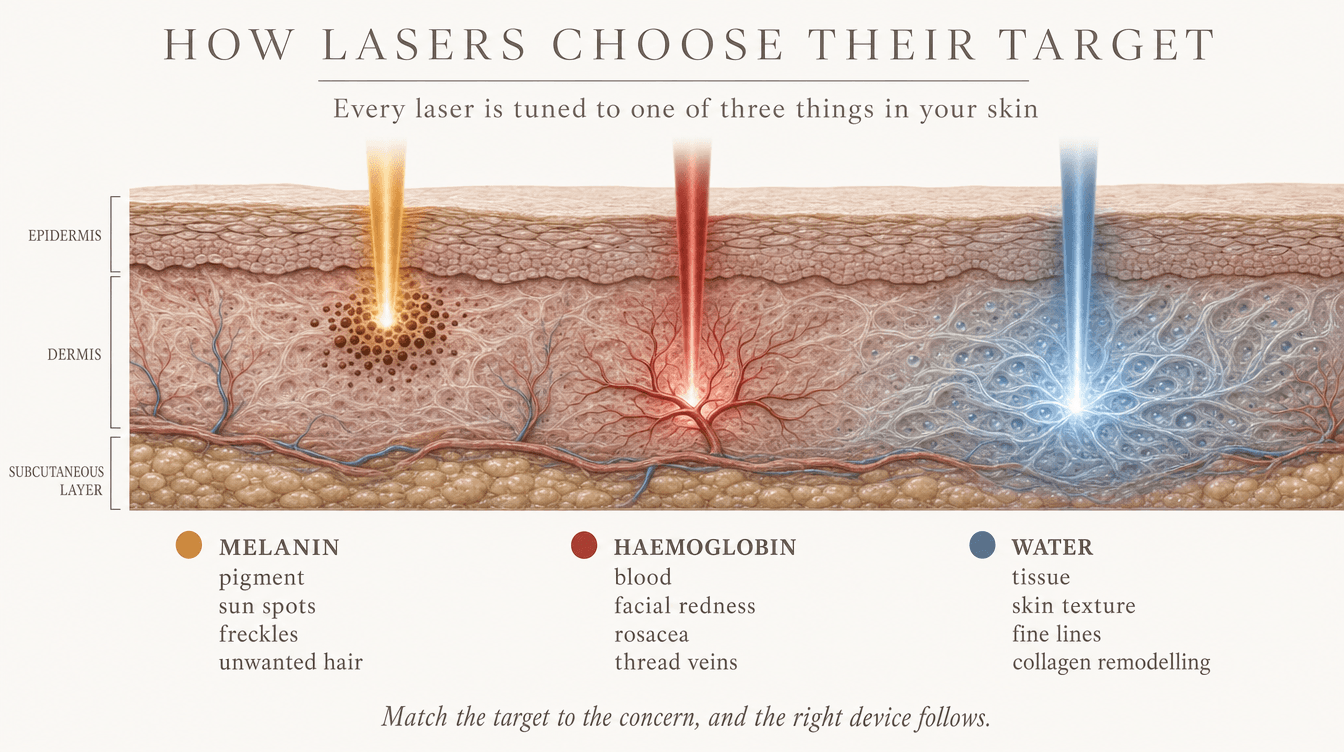
How laser skin treatments work: what the laser is actually targeting
Lasers are not categorised by brand name. They are categorised by what they target in your skin, and by whether they remove tissue or leave the surface intact. Here is how those two questions decide what a treatment can and cannot do.
28 AUGUST 2026