Fotona4D Laser Facial: How the Non-Invasive Anti-Ageing Treatment Works

Written by
Franziska Frank
Beauty writer, ELLE
Fotona4D Laser Facial: How the Non-Invasive Anti-Ageing Treatment Works
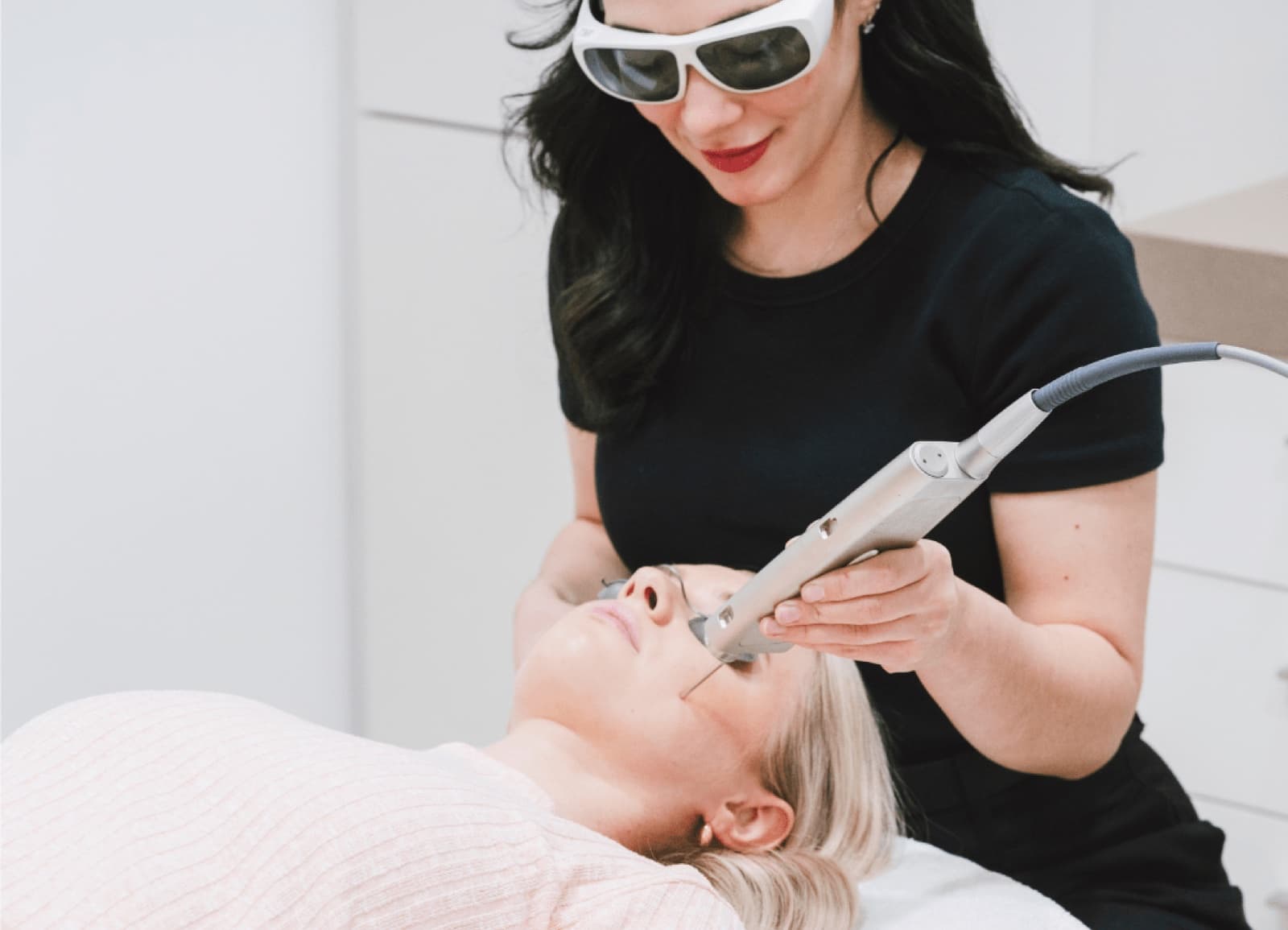
Fotona4D is a non-invasive facial laser treatment that combines two laser wavelengths — Nd:YAG and Er:YAG — to firm, smooth and refresh the skin in four steps, without surgery or injections. Its most unusual feature is that part of the treatment is delivered from *inside the mouth*, so the lower face can be worked on from both sides of the skin. It's marketed as an anti-ageing option for people who want to avoid injectables, but — as with any newer aesthetic treatment — it's worth understanding what it actually does, who it suits, and where the honest limits are before you book.
This guide explains how Fotona4D works step by step, its safety and downtime, who should avoid it, and what results are realistic for skin in Australia.
A note on the evidence: much of the promotion around Fotona4D comes from clinics and beauty media rather than large independent trials. Treat dramatic claims with healthy scepticism, and rely on an in-person assessment by a qualified practitioner rather than marketing.
What is Fotona4D?
Fotona4D is a non-ablative laser treatment of the face performed with a dual-wavelength laser platform (marketed as the Fotona TimeWalker). "Non-ablative" means it aims to heat and stimulate the skin without stripping away its surface the way an aggressive resurfacing laser would.
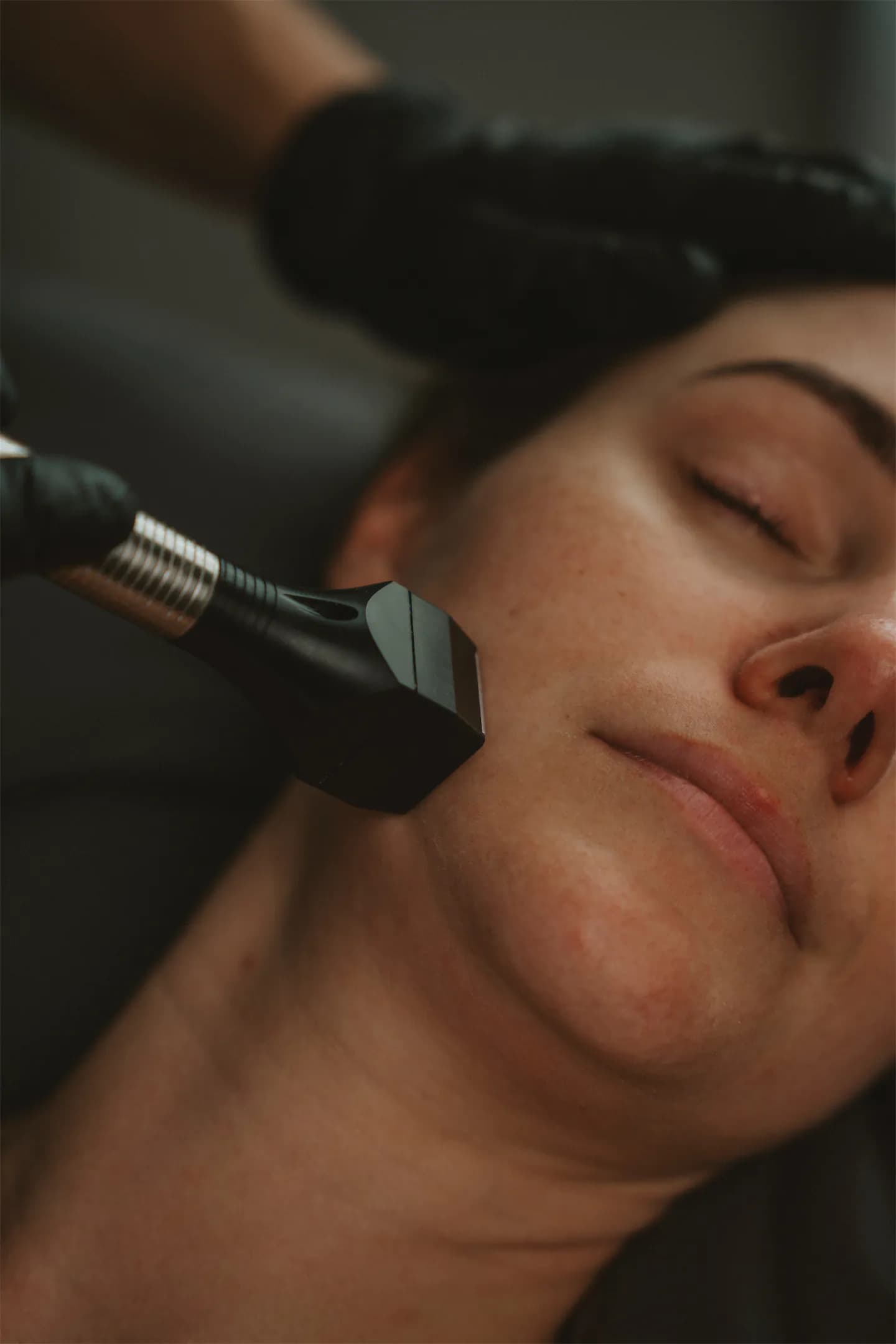
The "4D" refers to the idea of treating the face across multiple depths and from multiple directions: the laser is used not only on the outside of the skin, but also intraorally — through the inside of the mouth — to reach the tissues of the lower face and mouth area. A single session takes around 90 minutes.
The two wavelengths do different jobs:
- Nd:YAG penetrates more deeply and delivers controlled heat to the middle and deeper layers, which is intended to stimulate collagen and support firming.
- Er:YAG works closer to the surface to refine texture, pores and superficial pigment.
The theory is that combining them lets superficial, middle and deeper areas be addressed in one treatment. It's a plausible mechanism, but "stimulating collagen" is a gradual, variable process — not a guaranteed lift.
How Fotona4D works, step by step
A Fotona4D session is usually described as four sequential steps, each using a specific wavelength and depth:
- SmoothLiftin — inside the mouth (Er:YAG, intraoral). The Er:YAG wavelength is applied through the oral cavity to warm the tissues around the mouth, chin and nasolabial (nose-to-mouth) folds from the inside, with the goal of stimulating collagen in that area.
- FRAC3 (short Nd:YAG pulses). Short, higher-energy Nd:YAG pulses target superficial and deeper irregularities, including pigment spots, to even out the complexion.
- Deep heating (long Nd:YAG pulses). Longer pulses deliver controlled deep heat into the deeper layers, intended to stimulate collagen and support tissue tightening.
- Light surface refinement (Er:YAG). A gentle, non-ablative Er:YAG pass over the surface aims to smooth fine texture, refine pores and reduce superficial pigment.
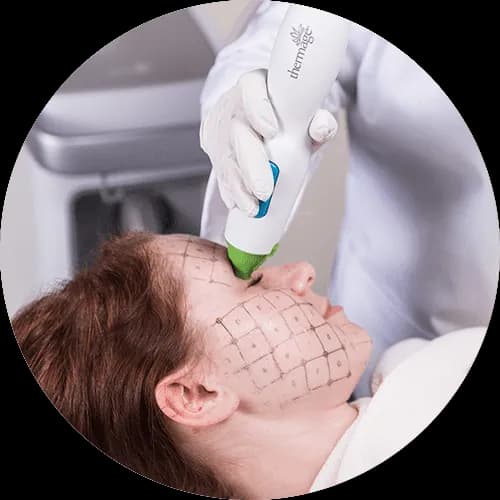
The treatment is carried out gradually and in sections, and practitioners typically monitor skin temperature so that only selected areas are heated at a time. The deep-heating step in particular — Fotona's PIANO mode — does most of the firming; we cover exactly how that works in how Fotona4D tightens skin.
Fotona4D vs the alternatives
Fotona4D sits among several non-surgical approaches to facial firming and skin quality. None is universally "best" — the right option depends on your skin, your goals and a professional assessment.
| Approach | What it is | How it's delivered | Notable points |
|---|---|---|---|
| Fotona4D | Dual-wavelength (Nd:YAG + Er:YAG) laser facial | Topical and intraoral, no injection | Targets multiple depths; some surface peeling afterwards |
| Injectable treatments (e.g. dermal fillers) | Volumising / contouring injectables | Injected by a qualified practitioner | Prescription and injectable options must be discussed at a consultation |
| Other energy-based tightening (e.g. radiofrequency or other lasers) | Heat-based collagen stimulation | Topical device | Broad category; devices and results vary widely |
Fotona4D is sometimes presented as an alternative for people who would prefer not to have injectables. It is not a like-for-like replacement for any injectable treatment, and choosing between them is a decision to make with a qualified clinician — not based on a headline.
Is Fotona4D safe, and how is it regulated in Australia?
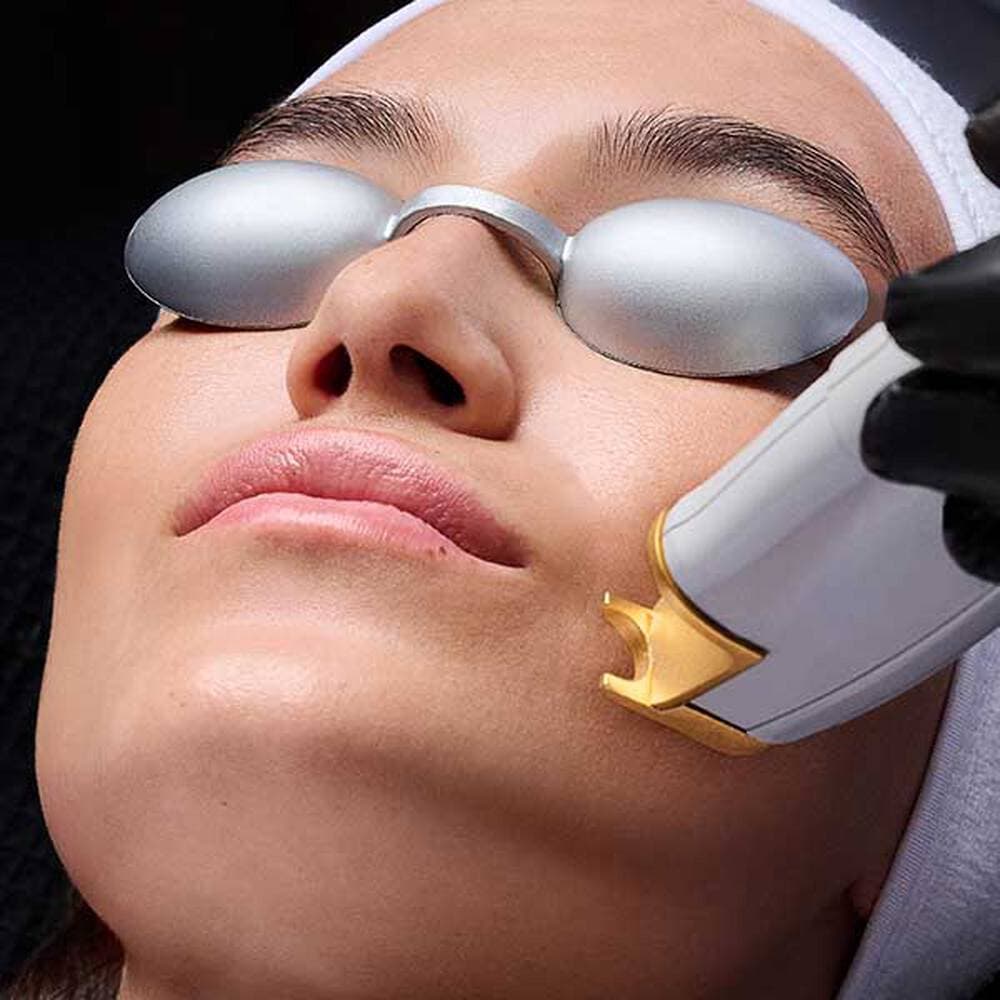
Used appropriately by a trained operator, Fotona4D is described as a comparatively gentle laser treatment because it relies on low, controlled heat rather than removing the skin surface. But it is still a medical laser, and it carries real considerations:
- The most common short-term effect is redness, often compared to mild sunburn, plus some later flaking or peeling as the surface renews.
- Because it uses heat and light, there is a risk of burns or pigment changes — and this risk is higher for darker or more melanated skin (higher Fitzpatrick skin types). Suitability depends on your skin type, which a practitioner should assess.
- Recently tanned skin is generally not suitable, as added melanin increases the risk of a laser reaction.
On regulation: medical lasers used for cosmetic treatments in Australia are regulated by the TGA as medical devices, and in several states and territories cosmetic laser and IPL use must be performed or supervised by a licensed operator. Always check that your provider is an AHPRA-registered practitioner (or works under appropriate supervision) and holds the laser credentials required in your state.
Be wary of any clinic that promises guaranteed or permanent results, downplays the risks, or books you in without assessing your skin first.
Downtime and aftercare
Fotona4D is usually described as a low-downtime treatment, but "low" is not "none":
- Expect redness immediately afterwards, which for many people settles within a few hours.
- The top layers of skin may flake or peel a few days later, so it's sensible to plan a little recovery time before a major event.
Typical aftercare advice from providers includes:
- Avoid direct sun for around three to four weeks, and use a broad-spectrum SPF 50+ daily — freshly treated skin is more vulnerable to UV.
- Avoid saunas, heat and intense exercise for two to three days.
- Pause irritating active ingredients such as AHA acids and retinol (vitamin A) around the treatment.
Always follow the specific instructions your practitioner gives you, as they'll tailor them to your skin and the settings used.
Who should wait or avoid Fotona4D
Based on the considerations above, Fotona4D may not be suitable, or may need to wait, if you:
- Are pregnant.
- Have an active skin infection in the area, such as a cold sore / herpes outbreak.
- Are taking photosensitising medication, including topical vitamin A (retinoid) treatments.
- Have recently tanned skin, or a skin type that carries a higher risk of burns or pigment change.
This isn't an exhaustive list. The only reliable way to know whether Fotona4D is right for you is a face-to-face consultation with an AHPRA-registered practitioner who reviews your history, medications and skin type.
What results can you expect, and how many sessions?
Some people notice a degree of tightening soon after a session, because heat causes an immediate, temporary contraction of collagen — but the more meaningful change builds over time as new collagen forms, with results often described as best around six weeks after treatment. Providers commonly recommend a course of two to three sessions, spaced roughly six weeks apart, followed by maintenance (some protocols use more). For a mode-by-mode look at how Fotona4D targets ageing concerns like nasolabial folds and the neck, see Fotona4D for facial ageing.
Results vary from person to person, and much of the "before and after" imagery online should be read with caution — lighting, angles and combined treatments all influence how dramatic a photo looks. A good clinician will set realistic expectations for *your* skin rather than promising a transformation.
What does it cost, and how to choose a clinic
Pricing for Fotona4D varies by clinic, city and how many sessions you have, and it's often sold as a course rather than a one-off — so always confirm whether a quoted price is per session or for a package, and what's included.
When choosing where to go, prioritise:
- An AHPRA-registered practitioner with the laser credentials required in your state.
- A proper skin consultation that assesses your skin type and suitability before booking — not a hard sell.
- Transparency about the device, the number of sessions and realistic outcomes.
If you'd like to compare clinics offering laser skin-tightening and rejuvenation treatments near you, browse verified options below.
GeelongShow on map
96 Gheringhap Street, Geelong VIC 3220, Australia

Bella VistaShow on map
14 Lexington Drive, Bella Vista NSW 2153, Australia

KewShow on map
181 High Street, Kew VIC 3101, Australia
OxleyShow on map
75 Oakmont Avenue, Oxley QLD 4075, Australia
HaymarketShow on map
shop 2/389 Sussex Street, Haymarket NSW 2000, Australia

HaymarketShow on map
shop 2/389 Sussex Street, Haymarket NSW 2000, Australia
West PerthShow on map
562 Newcastle Street, West Perth WA 6005, Australia
Fortitude ValleyShow on map
9 Doggett Street, Fortitude Valley QLD 4006, Australia
BalwynShow on map
339 Whitehorse Road, Balwyn VIC 3103, Australia
HaymarketShow on map
shop 2/389 Sussex Street, Haymarket NSW 2000, Australia
Frequently asked questions
What is Fotona4D? Fotona4D is a non-invasive facial laser treatment that combines two wavelengths — Nd:YAG and Er:YAG — to firm and refresh the skin across several depths in four steps. Part of it is delivered inside the mouth to work on the lower face. It's used as a non-injectable anti-ageing option, with results that build gradually.
Is Fotona4D painful, and how much downtime is there? Providers describe it as generally well tolerated, with the main after-effect being redness similar to mild sunburn that often settles within hours. The top layers of skin can flake or peel a few days later, so it's worth planning some recovery time. Your experience depends on your skin and the settings used.
Is Fotona4D safe, and who should avoid it? As a medical laser it carries real considerations, including a risk of burns or pigment changes — higher for darker or recently tanned skin. It's generally not suitable during pregnancy, with an active skin infection like a cold sore, or while using photosensitising medication such as topical vitamin A. Only an in-person assessment by a qualified practitioner can confirm suitability.
Does Fotona4D replace fillers or injectables? No. Fotona4D is a different, non-injectable approach and is not a like-for-like replacement for any injectable treatment. Some people choose it because they'd prefer to avoid injectables, but which option suits you is a decision to make with a qualified clinician, not from marketing claims.
How many Fotona4D sessions will I need, and when will I see results? Some tightening may be visible soon after a session, but the best results typically appear around six weeks later as collagen builds. Providers commonly recommend a course of two to three sessions about six weeks apart, plus maintenance. Individual results vary.
Frequently asked questions
What is Fotona4D?
Fotona4D is a non-invasive facial laser treatment that combines two wavelengths — Nd:YAG and Er:YAG — to firm and refresh the skin across several depths in four steps. Part of it is delivered inside the mouth to work on the lower face. It's used as a non-injectable anti-ageing option, with results that build gradually.
Is Fotona4D painful, and how much downtime is there?
Providers describe it as generally well tolerated, with the main after-effect being redness similar to mild sunburn that often settles within hours. The top layers of skin can flake or peel a few days later, so it's worth planning some recovery time. Your experience depends on your skin and the settings used.
Is Fotona4D safe, and who should avoid it?
As a medical laser it carries real considerations, including a risk of burns or pigment changes — higher for darker or recently tanned skin. It's generally not suitable during pregnancy, with an active skin infection like a cold sore, or while using photosensitising medication such as topical vitamin A. Only an in-person assessment by a qualified practitioner can confirm suitability.
Does Fotona4D replace fillers or injectables?
No. Fotona4D is a different, non-injectable approach and is not a like-for-like replacement for any injectable treatment. Some people choose it because they'd prefer to avoid injectables, but which option suits you is a decision to make with a qualified clinician, not from marketing claims.
How many Fotona4D sessions will I need, and when will I see results?
Some tightening may be visible soon after a session, but the best results typically appear around six weeks later as collagen builds. Providers commonly recommend a course of two to three sessions about six weeks apart, plus maintenance. Individual results vary.
Ready to book?
Find a clinicRelated reading
Skin & Facials
Understanding Melasma: Causes and Treatment Guidelines
A clinic-side guide to melasma — why symmetrical brown-grey patches form, how epidermal, dermal and mixed types differ, and why control beats a one-off cure.
30 SEPTEMBER 2026
Skin & Facials
The Power of Two: Why MOXI and BBL HERO Are Better Together
MOXI's gentle fractional resurfacing and BBL HERO's broadband light reach different layers of the skin. Paired in a single visit they clear pigment, even tone, and build collagen faster than either device alone.
21 JANUARY 2026
Skin & Facials
Achieving 'Glass Skin' Outcomes with the Power of InMode Optimas Max
InMode's Optimas Max platform layers laser, IPL, and radio-frequency in one system to refine texture, tone, and clarity — the technology behind the coveted, luminous 'glass skin' finish.
3 JANUARY 2026